
Did you know that approximately 85% of adults have gambled at least once in
their lives? While for many, it’s a harmless flutter on the horses or a
bit of fun at a casino, for others, gambling can spiral into a devastating
addiction. Imagine someone losing their savings, their relationships, and
their sense of self, all chasing that elusive win.
Gambling addiction, also known as problem gambling or compulsive gambling,
doesn’t discriminate. It can affect anyone, regardless of age, gender, or
socioeconomic background. The thrill of the risk, the allure of quick
money, and the escape from reality can be powerful hooks. This article will
help equip you with the knowledge to recognize the telltale
signs of gambling addiction, whether in yourself or someone you care about.
Understanding these signs is the first crucial step in seeking help and
preventing further harm.
Defining Problem Gambling: More Than Just a Game
Gambling, in its recreational form, offers a thrilling diversion, a chance to test one’s luck with manageable risks. It’s a leisure activity, enjoyed responsibly with pre-set limits and without significant impact on one’s life. However, the line blurs when gambling transcends mere entertainment and morphs into a destructive force – problem gambling.
Problem gambling, also known as gambling disorder, is more than just an occasional overindulgence. It’s a progressive behavioral addiction characterized by a profound loss of control. Individuals struggling with problem gambling find themselves compulsively drawn to gambling, chasing losses, and gambling despite the mounting negative consequences impacting their finances, relationships, and emotional well-being. This compulsion persists even when they desperately want to stop.
The Diagnostic and Statistical Manual of Mental Disorders (DSM-5) provides specific criteria for diagnosing gambling disorder. These criteria, used by mental health professionals, outline the behavioral patterns and consequences that define the disorder. The severity of gambling disorder is classified into mild, moderate, and severe, based on the number of diagnostic criteria met. This classification helps tailor appropriate treatment and support for individuals at different stages of the addiction.
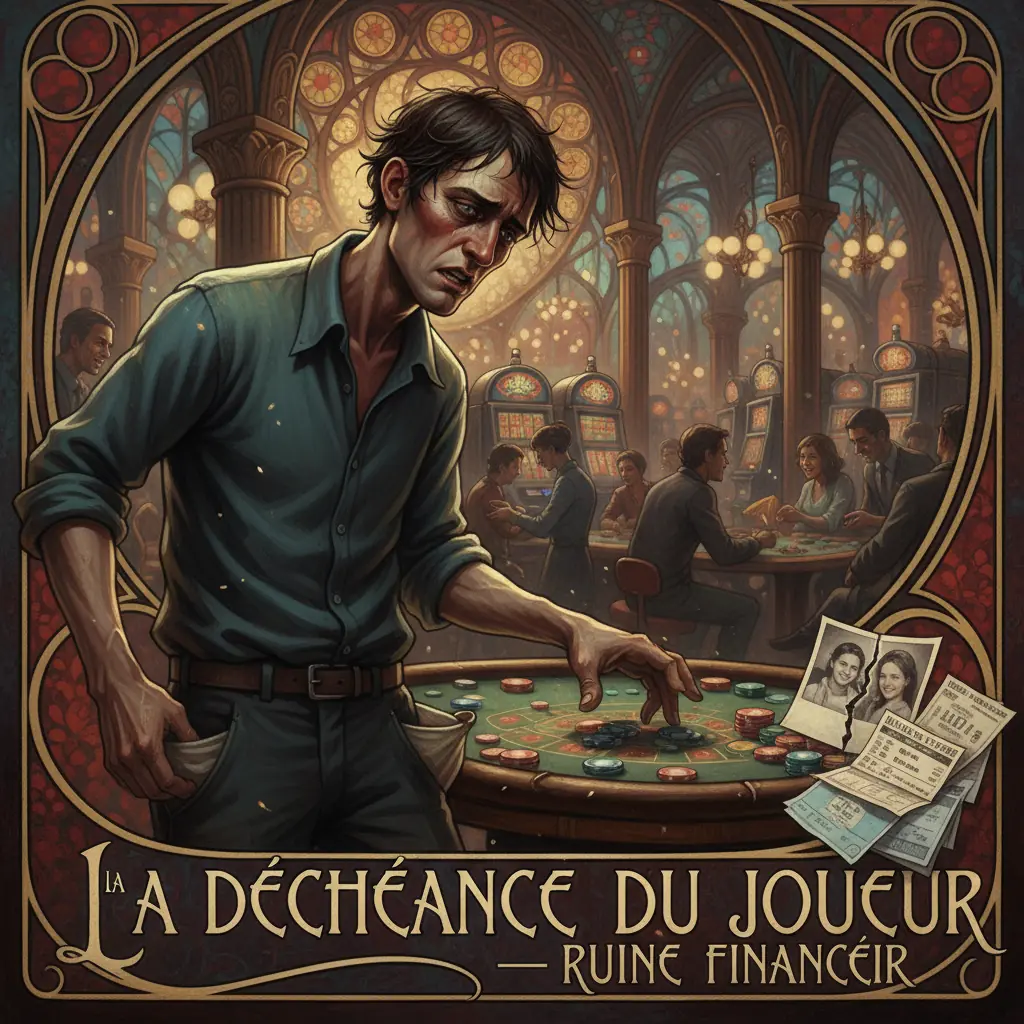
Behavioral Signs of Problem Gambling: Watching for Red Flags
Constant Preoccupation
Gambling preoccupation is a significant red flag. It goes beyond simply enjoying the occasional game. It’s when gambling thoughts start to dominate your mind, and that’s the problem. Do you find yourself constantly thinking about gambling, even when you’re supposed to be working or spending time with family? Are you spending considerable time planning your next bets, analyzing past wins and losses, or seeking out gambling opportunities? This constant mental replay can interfere with your daily life, making it difficult to focus on work, relationships, or other responsibilities. It’s more than just excitement; it’s an obsessive pull that can be hard to resist.
Chasing Losses: The Dangerous Cycle
Chasing losses is one of the most destructive patterns in problem gambling. It is fueled by the gambler’s fallacy – the mistaken belief that a losing streak must eventually turn around. To recoup their losses, individuals gamble more frequently or increase their bets hoping to win back the money they lost. This behavior creates a dangerous cycle. For instance, someone might start with a $50 loss, then bet $100 to make up for it, and then $200, quickly spiraling into a deeper level of debt. It’s a high-risk game where the odds are stacked against you, and the potential for financial ruin is very real.
Secrecy and Deception
When gambling becomes a problem, individuals often try to hide their activity from others. This secrecy stems from a fear of judgment, shame, or the desire to avoid confrontation. Do you feel like you have to hide your gambling habits or downplay the amount of money or time you spend on it? This deceptive behavior can manifest in various ways: lying about losses, borrowing money without disclosing the purpose, or creating elaborate stories to cover gambling-related absences. This secrecy erodes trust and damages relationships with loved ones. It’s a sign that gambling has become more than just a game; it’s a source of shame and isolation.
Financial Signs of Problem Gambling: Where Did All the Money Go?
One of the most devastating consequences of problem gambling is financial ruin. The impact goes beyond just losing money; it can lead to mounting debt, strained relationships, and a sense of hopelessness. Recognizing these financial signs early is crucial for intervention and recovery.
Mounting Debt and Borrowing
Problem gambling often leads to a dangerous cycle of debt. Individuals may take out loans, max out credit cards, or borrow from friends and family in an attempt to chase losses or fund their addiction. The larger the debt becomes, the more intense the urge to gamble in an attempt to win it all back, creating a seemingly endless spiral. Debt consolidation could be a potential solution to explore, but addressing the underlying gambling problem is paramount.
Neglecting Financial Responsibilities
As gambling takes over, essential financial responsibilities often fall by the wayside. Unpaid bills start to pile up, rent payments are missed, and other critical expenses are neglected. This financial neglect can have a devastating impact on families, leading to stress, instability, and even homelessness. Setting up automatic payments for bills can be a practical step, but professional help is often needed to address the root cause of the problem.
Selling Possessions or Stealing
In the depths of addiction, individuals may resort to desperate measures to fund their gambling habits. This can include selling possessions, from valuable items to everyday belongings, or even engaging in theft or other illegal activities. It’s important to remember that these actions are not indicative of a person’s true character, but rather a sign of a serious illness. Such behaviors should serve as an immediate trigger to seek urgent help and intervention.
Emotional and Psychological Signs: More Than Just Losing Money
Problem gambling’s impact goes far beyond financial losses. It often triggers a cascade of emotional and psychological consequences, significantly impacting mental well-being. Gambling addiction frequently co-occurs with mental health issues like anxiety and depression, creating a vicious cycle that can be incredibly difficult to break. It’s a spiral that touches all aspects of a person’s life.
For example, consider a client who, burdened by mounting gambling debts, began experiencing severe anxiety and panic attacks. The constant worry about finances, coupled with the inability to control their gambling behavior, led to a deep depression. This individual isolated themselves from friends and family, feeling overwhelmed by guilt and shame.
These feelings should NEVER be ignored. Recognizing these emotional and psychological signs is the first step toward seeking help and reclaiming mental health. If you or someone you know is struggling with these feelings, seeking professional help is crucial.
Increased Anxiety and Stress
Gambling-related stress can manifest as increased anxiety, constant worry, and heightened irritability. This level of stress can take a toll both mentally and physically, leading to sleep disturbances, muscle tension, and difficulty concentrating. To manage these symptoms, relaxation techniques such as deep breathing exercises, meditation, or yoga can be helpful in calming the mind and body.
Depression and Hopelessness
The despair associated with gambling losses can lead to feelings of depression and hopelessness. This might involve a loss of interest in activities once enjoyed, persistent sadness, and overwhelming negative emotions. Loneliness and isolation frequently exacerbate these feelings, making it even harder to cope. Reaching out to a trusted friend, family member, or support group can alleviate feelings of isolation and provide a sense of connection.
Guilt and Shame
Guilt and shame are common emotions experienced by those struggling with problem gambling. These feelings often stem from the awareness of the harm caused to themselves and their loved ones. This can further fuel gambling in the long-term as individuals seek to escape from these painful emotions. Learning to forgive oneself and accepting help are crucial steps in breaking this cycle. Engaging in self-compassion practices and focusing on positive steps toward recovery can help to heal these emotional wounds.
Social and Relationship Signs: Isolating Yourself
Problem gambling doesn’t just impact the individual; it casts a long shadow over their relationships and social connections. One of the most telling signs is a gradual withdrawal from loved ones, leading to isolation and escalating conflict. The consequences can be devastating, straining family bonds, dissolving friendships, and creating rifts with colleagues. Rebuilding trust after gambling-related betrayals is a long, arduous process, requiring open communication, unwavering commitment, and professional guidance. It’s also critical for loved ones to seek their own support, as navigating the complexities of problem gambling can be emotionally draining.
Relationship Conflicts and Arguments
When gambling spirals out of control, it’s often accompanied by secrecy and financial instability. These factors inevitably lead to heightened tension and frequent arguments within the family. Discovering hidden debts or the extent of gambling losses can trigger intense disputes and erode the foundation of trust. Addressing these conflicts requires empathy, patience, and a willingness to seek professional counseling to navigate the complex emotions involved.
Social Isolation and Withdrawal
To conceal their gambling habits and avoid judgment, individuals may start withdrawing from social circles. They might decline invitations, make excuses to avoid gatherings, and generally isolate themselves from friends and family. While this isolation is meant to protect their secret, it often exacerbates feelings of loneliness, depression, and anxiety, further fueling the gambling cycle. Breaking this pattern requires reconnecting with supportive individuals and engaging in activities that foster a sense of belonging.
Loss of Interest in Other Activities
As gambling takes precedence, hobbies, interests, and other activities that once brought joy fade into the background. The gambler’s mind becomes increasingly fixated on betting, viewing other pursuits as a waste of time or a distraction from their next potential win. This neglect extends to family events, children’s activities, and even work responsibilities, creating a sense of detachment and further straining relationships. Rediscovering these lost interests is key to regaining a balanced and fulfilling life.
Seeking Help and Support: You Are Not Alone
Problem gambling can feel incredibly isolating, but it’s vital to remember that you’re not alone and help is readily available. Recognizing you have a problem is the first and bravest step towards recovery. Many resources exist to provide guidance, support, and effective treatment options.
Professional Support: Therapists specializing in addiction can provide invaluable support. Cognitive Behavioral Therapy (CBT) is often employed to help individuals identify and change negative thought patterns and behaviors associated with gambling. In some cases, medication may be prescribed to manage underlying conditions like anxiety or depression that can contribute to problem gambling. Don’t hesitate to explore these avenues with a qualified healthcare professional.
Gamblers Anonymous and Support Groups: Connecting with others who understand what you’re going through can make a significant difference. Gamblers Anonymous (GA) offers a safe and supportive environment where individuals can share their experiences, learn coping strategies, and build a sense of community. Local support groups can also provide a similar sense of belonging and understanding.
Lean on Friends and Family: Talking to trusted friends and family members can provide emotional support and encouragement. While it may be difficult to open up, sharing your struggles with loved ones can alleviate the burden and create a network of support.
Seeking help is a sign of strength, not weakness. Numerous resources are available to guide you on your path to recovery. Take that first step – your future self will thank you.
Conclusion: Taking the First Step Towards Recovery
Recognizing the signs of problem gambling – chasing losses, neglecting responsibilities, or lying about gambling habits – is the first and most important step towards recovery. Gambling addiction can feel isolating, but it’s crucial to remember that one is not alone, and recovery is absolutely possible.
Early intervention is vital. The sooner problem gambling is addressed, the easier it is to manage and overcome. Don’t wait until the situation escalates; seeking help at the first sign of trouble can make a significant difference in one’s journey towards healing.
Numerous resources are available to support those struggling with gambling addiction, including therapy, support groups, and self-help programs. These resources provide a safe and supportive environment to learn coping mechanisms, develop healthy habits, and regain control of one’s life. Remember, reaching out is a sign of strength, not weakness. There is always hope for recovery, and a brighter, gamble-free future is within reach. Take that first step today; it’s the most important one.