
Imagine a world where every spin, every card dealt, is not just a chance at winning, but a step in an unfolding adventure. This isn’t some far-off fantasy; it’s the reality that casino gamification is rapidly creating. Forget the days of simple loyalty points; casino gamification has transformed into a powerful tool, capable of molding the very fabric of player experience. From leaderboards fueling competitive spirits to personalized challenges unlocking unique rewards, the change is undeniable.
This transformation isn’t happening in a vacuum. Several key trends intertwine to sculpt the future landscape of casino gamification. Personalization, powered by data and analytics, enables casinos to offer experiences tailored to individual player preferences. Artificial intelligence (AI) is weaving its way into every level, predicting player behavior and optimizing game dynamics. Virtual and augmented reality (VR/AR) technologies promise to immerse players in entirely new worlds. And underpinning it all, a growing emphasis on responsible gambling ensures that entertainment remains safe and sustainable.
This article serves as a thorough exploration into the captivating world of casino gamification’s future. It provides actionable insights for casinos and industry professionals looking to harness the transformative power of these trends and stay ahead of the curve, offering a roadmap to boosting player engagement responsibly and crafting unparalleled entertainment experiences.
The Current Landscape of Casino Gamification
Casino gamification has become a staple in the industry, evolving from simple loyalty initiatives to more intricate systems designed to boost player engagement and retention. Common techniques include awarding loyalty points for wagers, which can be redeemed for various perks. Leaderboards foster competition by ranking players based on their performance, while achievement systems, like badges and progress bars, offer a sense of accomplishment. Virtual currencies add another layer of immersion, allowing players to earn and spend credits within the casino environment. These methods aim to make the gaming experience more interactive and rewarding, extending beyond traditional gambling.
Traditional Gamification Elements: Pros and Cons
Traditional gamification elements, while effective to some extent, come with their own set of advantages and disadvantages. Loyalty programs are great for rewarding frequent players and encouraging continued patronage. Leaderboards can be motivating for competitive individuals, driving them to play more and achieve higher rankings. However, these systems often fall short in engaging casual players who may not be as driven by competition or long-term rewards. For example, a player might quickly lose interest if they feel they can’t reach the top of the leaderboard or accumulate enough points for meaningful rewards. The challenge lies in creating gamified experiences that cater to a diverse range of player preferences and motivations.
Emerging Technologies and Their Impact
AI-Driven Personalization: The Next Frontier
The future of casino gamification is undeniably intertwined with artificial intelligence. AI algorithms possess the power to dissect vast quantities of player data, unlocking unprecedented opportunities for personalization. Imagine games that dynamically adjust their difficulty based on a player’s skill level, offering a continuously engaging challenge. Bonus offers could be tailored to individual preferences, maximizing their appeal and effectiveness. Even the narrative elements of a game could subtly shift, adapting to a player’s demonstrated interests and creating a uniquely resonant experience. These algorithms are fueled by data gleaned from player behavior, wagering patterns, and even stated preferences, creating a dynamic loop of refinement. While sources may vary, the ultimate goal remains consistent: to create a gaming experience that feels custom-built for each player.
Reinventing Realism: VR/AR Experiences
Virtual reality (VR) and augmented reality (AR) technologies stand poised to revolutionize the casino experience, injecting a new level of realism and immersion. VR casinos can transport players to lavish, digitally rendered environments, complete with interactive elements and social gaming opportunities. Picture yourself strolling through a virtual casino floor, interacting with other players, and experiencing the thrill of the game as if you were physically present. AR, on the other hand, overlays digital elements onto the real world, creating hybrid experiences. Imagine playing a card game on your coffee table, with holographic cards and chips appearing before your eyes. The possibilities are vast, limited only by the imagination and the persistent evolution of the technology itself. These technologies promise not just entertainment, but a social, engaging, and deeply personal form of gaming.
Blockchain: The Base of Trust
Blockchain technology offers a groundbreaking solution to a long-standing concern in the online gaming world: transparency and fairness. Its decentralized and immutable nature ensures that every transaction and game outcome is recorded on a public ledger, making it virtually impossible to manipulate the system. Consider a game of chance utilizing blockchain technology. Every hand dealt, every roll of the dice, is cryptographically secured and verifiable by anyone. This inherent transparency fosters trust between players and casino operators, creating a level playing field where fairness is not just promised, but provable. The use cases extend beyond simply verifying game outcomes. Blockchain can also streamline payment processes and enhance security, solidifying its foundational role in the future of casino gamification.

The Future of Player Engagement: Personalized Gamification
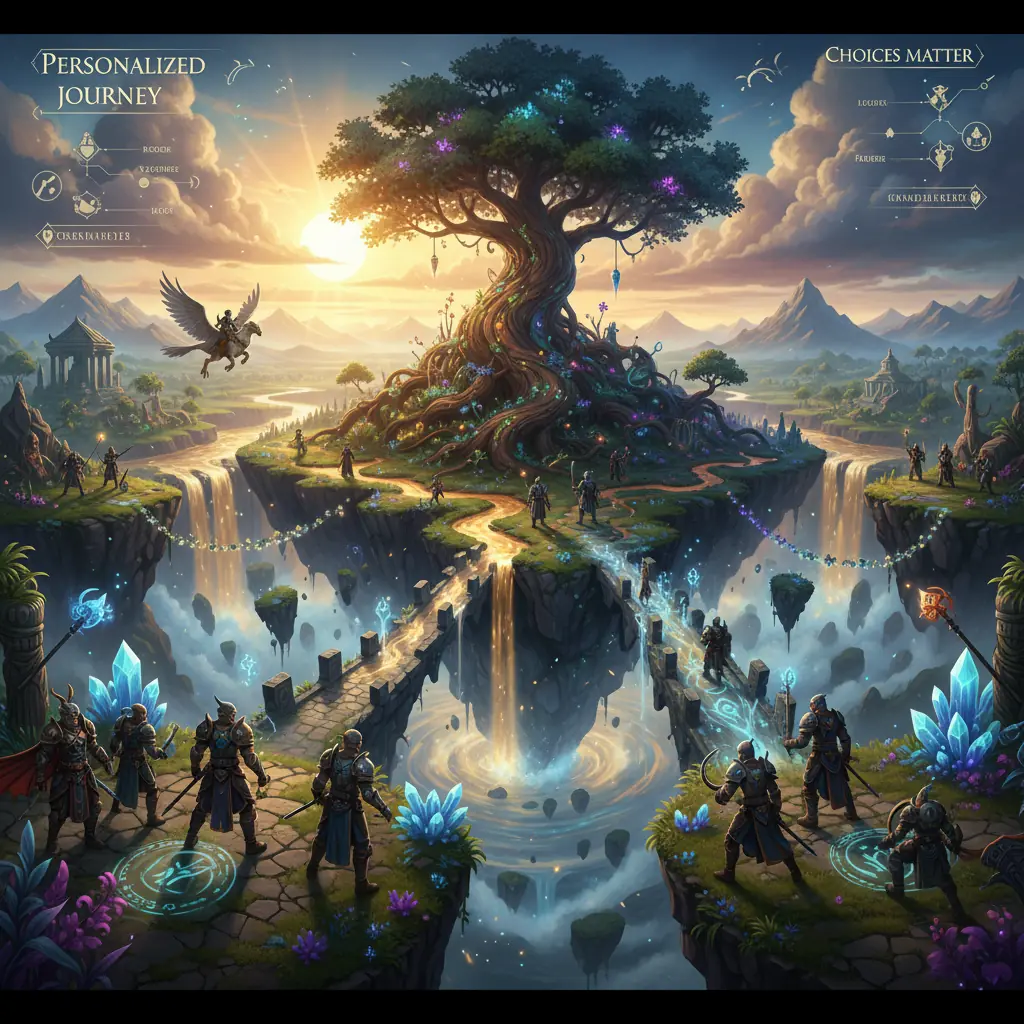
Personalized gamification is revolutionizing how gaming providers connect with their audience, moving past generic bonuses to craft experiences that deeply resonate with each player. By harnessing the power of player data, gaming companies can now tailor game narratives, adjust difficulty levels on the fly, and design reward structures that cater to individual preferences. This shift towards personalization not only boosts player engagement but also significantly enhances customer loyalty and lifetime value.
The key lies in understanding that each player is unique, with their own gaming style, motivations, and preferences. By leveraging behavioral analytics, gaming providers can gain valuable insights into player behavior and use this information to create dynamic content and adaptive gameplay. This ensures that every player feels seen, understood, and rewarded in a way that is meaningful to them.
Dynamic Content and Difficulty Scaling
Difficulty scaling is a cornerstone of personalized gaming. Imagine a game that automatically adjusts its challenge based on a player’s skill level. A novice might encounter more forgiving enemies and simpler puzzles, while an experienced player faces tougher opponents and intricate challenges. This dynamic adjustment keeps players engaged without feeling overwhelmed or bored. For example, some games use an adaptive AI to modify enemy behavior in real-time, ensuring a consistently challenging yet fair experience.
Tailoring Narratives for Increased Player Engagement
Narrative tailoring immerses players in the game world by adapting the storyline to their choices and actions. Instead of a linear plot, players experience a branching narrative where their decisions have real consequences. This can be achieved through dynamic dialogue options, personalized quests, and evolving character relationships. One company has been experimenting with AI-driven narrative tools that generate unique storylines based on player interactions, resulting in a gaming experience that feels truly personal and impactful. Another example is, to change the story depending of users country.
Ethical Considerations and Responsible Gamification
Gamification, while engaging, carries ethical implications, especially within gambling. The risk of exacerbating problem gambling behaviors is a primary concern. Responsible gamification demands careful implementation, prioritizing player protection and sustainable gaming practices. To achieve this, a multi-faceted approach is essential, incorporating preventative measures, transparent communication, and readily available support for those struggling with gambling issues. The future of gamification in gambling hinges on its ability to be implemented ethically and responsibly.
Identifying and addressing problem gambling risk factors
Several risk factors can indicate potential problem gambling. These include a history of addiction, impulsivity, and using gambling as an escape from stress or emotional difficulties. Structural elements within games can be adjusted to help prevent the development of these issues. Strategies to mitigate these risks include setting personal limits on deposits and wagers and tracking gambling history. Protecting potential victims starts with awareness for a quick solution.
Promoting Transparency and player control
Transparency builds trust and empowers players. Clear information regarding odds, win probabilities, and the mechanics of gamified elements is crucial. Easy access to complete gambling history helps players understand their habits. Furthermore, providing control mechanisms, such as self-exclusion options and customizable alerts related to time and money spent, empowers players to manage their engagement and prevent problem gambling. For example, casinos can offer options to restrict or totally remove the use of gamification elements.
Practical Implementation Strategies
Casinos can effectively implement gamification strategies by following a structured approach that prioritizes player engagement and responsible behavior. The key lies in understanding the audience, setting achievable goals, and continuously refining the approach based on data and player feedback. Here’s a step-by-step guide to help casinos navigate the world of gamification.
Defining clear goals for gamification
Before diving into mechanics, casinos must define specific, measurable, achievable, relevant, and time-bound (SMART) goals for their gamification strategy. Are you aiming to increase player retention, boost spending, attract new customers, or promote specific games? Clearly defined goals provide a roadmap for development and a benchmark for success. For example, a goal could be to increase the average time spent on slot machines by 15% within the next quarter.
A/B testing in gamification
A/B testing is crucial for optimizing gamification elements. In a casino setting, this might involve showing two different versions of a loyalty program interface to different player groups. One group might see a leaderboard emphasizing competition, while the other sees a progress bar highlighting individual achievements. Track which version leads to higher engagement, increased spending, or improved player satisfaction. By A/B testing various aspects of the gamification strategy, casinos can identify what resonates best with their target audience and refine their approach accordingly.
Case Studies and Success Stories
Company 1
Consider a prominent casino chain constantly seeking innovative ways to boost customer engagement. They implemented a tiered loyalty program, gamifying the entire casino experience. Players earn points for every dollar spent, unlocking levels with increasing rewards – complimentary drinks, exclusive event invites, even personalized gaming experiences. Leaderboards showcasing top players fostered healthy competition, and bonus points awarded for specific game achievements encouraged exploration of different offerings. By integrating real-time data analytics, the casino personalized offers based on player behavior, creating a dynamic and rewarding experience. This resulted in a significant increase in player retention and a noticeable upswing in revenue.
Company 2
Another example is a smaller, boutique casino that took a different approach. They focused on creating a deeply immersive gaming experience by incorporating elements of role-playing games. Players could create avatars, complete quests, and earn badges for various achievements within the casino. These badges translated into real-world perks, like priority access to tables or discounts at the casino’s restaurants. The casino utilized game design principles to create a compelling narrative that unfolded as players progressed, turning casual gamblers into invested participants. They gathered data on player preferences and tailored quests and challenges to individual player profiles that enhanced customer satisfaction and increased the average time spent on site.
Conclusion
Casino gamification is reshaping the landscape of the gambling industry. It moves beyond traditional wagering, creating multifaceted experiences that prioritize engagement and personalization. This evolution is not simply about adding bells and whistles; it’s about understanding player motivations and designing systems that resonate on a deeper level.
The integration of challenges, rewards, and social elements fosters a sense of community and accomplishment, while responsible gamification techniques can promote mindful play. Online casinos are increasingly leveraging these strategies to build stronger relationships with their players and differentiate themselves in a competitive market. As technology continues to advance, the future of gambling will likely see even more innovative applications of gamification, blurring the lines between gaming and traditional casino entertainment. The focus will be on creating immersive, dynamic, and ultimately more rewarding experiences for everyone involved.